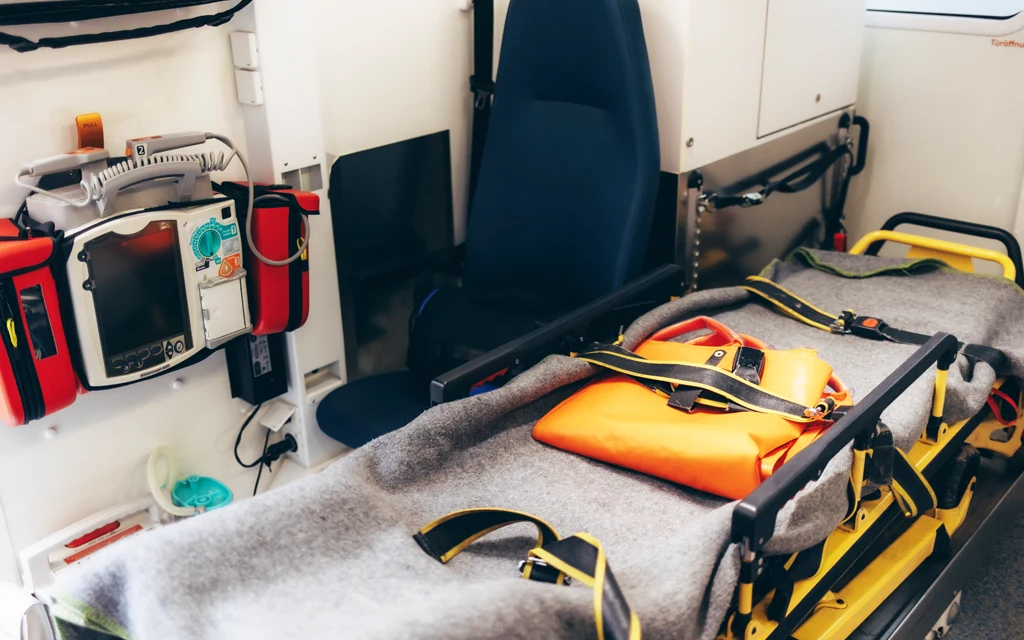
When an emergency happens, every piece of equipment inside an ambulance plays a major role. A reliable defibrillator, a sturdy stretcher, or the right monitoring device can help paramedics respond faster and work with confidence. That’s why choosing ambulance equipment is not just about what is available; it’s about making sure the equipment fits your day-to-day operations, meets required standards, and works reliably in real emergencies.
In this blog, we will guide you through how to choose the right ambulance and emergency equipment for your needs. Whether you operate a private ambulance service, manage a hospital fleet, support a government EMS unit, or provide medical coverage for events, this guide will help you make clear, calculated decisions.
Table of Contents
Why the Right Ambulance Equipment is Important
In emergency response, time and trust are everything. A well-equipped ambulance ensures faster interventions, smoother patient transfers, and higher survival rates. Inadequate or unreliable equipment can delay care and risk patient safety.
In the UAE and GCC, health authorities emphasize equipment quality, compliance, and readiness as key standards for licensed EMS providers. So, choosing the right supplier and the right equipment isn’t just an operational decision; it’s a matter of compliance and responsibility.
Choosing Emergency Equipment Based on Service Type
Before purchasing, clearly define what your ambulance is expected to handle.
Basic Life Support (BLS) Ambulances
Used for patient transfers and non-critical emergencies. Must include:
- Oxygen systems and regulators
- First aid and trauma kits
- Stretcher, spine board, and immobilizers
- Portable suction and basic monitoring tools
Advanced Life Support (ALS) Ambulances
Used for critical emergencies and cardiac, trauma, or respiratory care. Requires:
- Ventilator and defibrillator (AED or manual)
- Multi-parameter patient monitor
- Infusion pumps and airway management tools
- Advanced resuscitation and emergency medication kits
Event & Industrial Response Ambulances
Designed for temporary or on-site use:
- Compact, mobile kits
- Burn treatment and trauma sets
- Portable oxygen and first aid supplies
Tip: Match the equipment to your service level and your team’s expertise. Buying advanced tools that your staff isn’t trained to use adds risk and cost.
What Equipment Should be Inside an Ambulance
Every ambulance should have a structured layout of essential tools, ensuring that life-saving interventions can begin immediately.
Resuscitation & Airway Management
These are your frontline lifesavers.
- Automated External Defibrillators (AEDs): Vital for sudden cardiac arrest. Choose models with clear voice prompts and long battery life.
- Ventilators & Bag Valve Masks: Support breathing during respiratory distress or arrest.
- Portable Suction Units: Essential for clearing airways quickly and effectively.
- Oxygen Cylinders & Flow Regulators: Must comply with safety and transport standards in the UAE/GCC.
Patient Monitoring & Diagnostics
Continuous monitoring gives paramedics crucial data for clinical decisions.
- Patient Monitors: Multi-parameter systems (ECG, SpO₂, NIBP, Temp).
- Pulse Oximeters: Quick, portable, and reliable for oxygen level tracking.
- ECG Machines: Especially for ALS ambulances and cardiac units.
- Thermometers & Glucometers: For rapid triage.
Patient Transport & Immobilization
Safe movement is essential for both patient comfort and medical stability.
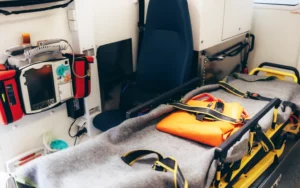
- Ambulance Stretchers: Height-adjustable, lockable, and easy to sanitize.
- Spine Boards & Head Immobilizers: Protect cervical alignment in trauma patients.
- Wheelchairs, Stair Chairs, and Transfer Sheets: For safe patient mobility.
Emergency & First Aid Consumables
The smallest items often make the biggest difference.
- Bandages, dressings, and sterile gloves
- IV kits, syringes, and infusion sets
- Burn treatment gels and antiseptics
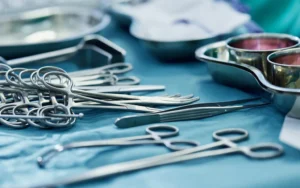
- Splints, shears, and emergency blankets
Specialized Tools (Optional but Recommended)
- Neonatal equipment for pediatric emergencies
- Portable suction units with backup power
- Handheld diagnostic tools (BP cuffs, stethoscopes, thermometers)
Factors to Consider Before You Buy Emergency Equipment in the UAE
Selecting equipment is not just about features — it’s about functionality, safety, and longevity.
Quality & Certification
Always choose CE-marked, FDA-approved, or DOH-compliant equipment. For the GCC region, ensure products align with CEN 1789 standards for road ambulances.
Reliability & Durability
Ambulance environments are tough — vibration, temperature shifts, and high humidity can affect performance. Look for ruggedized devices designed for mobile use.
Ease of Use
Your paramedics should be able to use equipment confidently under stress. Favor ergonomic designs, intuitive screens, and minimal setup time.
Maintenance & Support
Even the best equipment needs upkeep. Choose suppliers who provide local maintenance, spare parts, and periodic calibration. Winray, for example, offers end-to-end after-sales support and training across the UAE and GCC.
Cost vs. Value
Low-cost imports may save initially, but often fail under pressure or lack certification. Consider the long-term value of reliability and warranty-backed service.
Equipment Maintenance and Staff Training Guidelines
Low-cost imports may save initially, but often fail under pressure or lack certification. Consider the long-term value of reliability and w
Emergency equipment is only effective if it functions properly when needed. A clear maintenance and training program helps ambulance teams respond quickly and confidently, without delays caused by equipment issues.
- Perform daily readiness checks (batteries, oxygen levels, monitor function).
- Schedule monthly maintenance for ventilators, suction units, monitors, and defibrillators.
- Conduct quarterly refresher training to keep staff confident and maintain their efficiency.
- Maintain logbooks for inspections, servicing, and audits.
Regular upkeep isn’t optional; it’s part of a strong EMS culture of preparedness.
arranty-backed service.
Routine Equipment Maintenance
Consistent checks prevent small issues from becoming critical failures:
- Confirm battery charge, oxygen supply, and alarms at the start of each shift.
- Carry out preventive maintenance on main life-support devices every month.
- Inspect consumables and accessories regularly and replace items before expiry.
These simple actions reduce downtime, extend equipment life, and protect patient safety.
Ongoing Staff Training
Equipment only works when people know how to use it:
- Provide training whenever new equipment is introduced.
- Run quarterly refreshers to reinforce correct use and alarm response.
- Use scenario-based drills to practice under real emergency conditions.
Familiarity with equipment saves valuable seconds in life-threatening situations.
Documentation and Compliance
Good records support accountability and audits:
- Log inspections, servicing, repairs, and replacements.
- Record training sessions and competency checks.
- Keep documents accessible for health authority reviews.
Building a Culture of Readiness
Maintenance and training shouldn’t feel like paperwork. They are part of everyday EMS responsibility. When every team member takes ownership of equipment readiness, ambulances stay prepared to perform — when every second truly matters.
Understanding Local Standards (UAE & GCC)
Ambulance equipment in the UAE is regulated by the Department of Health (DOH), MOHAP, and local ambulance authorities. Requirements often include:
- Use of certified medical devices (CE/FDA)
- Sterile and regularly serviced equipment
- Approved oxygen and electrical systems
- Structured layout and secured mounting
Partnering with a local expert supplier like Winray Medical Equipment LLC ensures that every product meets these local and international benchmarks.
How to Choose the Right Emergency Equipment Supplier
Your supplier is as important as your equipment. A reliable supplier:
- Provides certified, genuine products
- Understands regional compliance and ambulance design standards
- Offers training, maintenance, and consultation
- Helps customize complete ambulance packages
At Winray Medical Equipment LLC, we deliver exactly that — combining decades of medical supply expertise with dedicated local support. We provide both complete ambulance setups and individual emergency kits, tailored to meet your operational and regulatory requirements.
Featured Ambulance Equipment to Consider
Here are the main products frequently recommended by Winray for professional ambulance use:
- AED Defibrillators: Compact, voice-guided, and long-lasting.
- Multi-Parameter Monitors: Real-time vitals with portability.
- Ambulance Stretchers: Lightweight, foldable, and height-adjustable.
- Oxygen Therapy Systems: Compliant with GCC safety standards.
- Trauma Kits & First Aid Bags: Prepacked for rapid deployment.
Each category can be customized to fit your ambulance type, budget, and compliance requirements.
Mistakes to Avoid While Choosing Medical Emergency Equipment
Many ambulance buyers make preventable errors that compromise readiness.
- Ignoring compliance: Using uncertified devices risks legal issues and patient safety.
- Skipping maintenance: Leads to failure during emergencies.
- Overlooking user training: The most advanced device is useless without skill.
- Choosing price over reliability: Equipment downtime costs far more in the long run.
Avoid these pitfalls with a supplier who emphasizes both product quality and operational readiness.
FAQs
What are the must-have ambulance equipment items?
AED, oxygen system, suction unit, stretcher, spine board, first aid and trauma kits, and basic monitoring devices.
How often should equipment be checked?
Conduct daily checks and full functional tests monthly, especially for life-support devices.
Do UAE ambulances follow specific standards?
Yes — CEN 1789 and UAE DOH/MOHAP guidelines define equipment and safety requirements.
How can I ensure my ambulance is always compliant?
Partner with certified suppliers like Winray, who provide documentation, service records, and regulatory guidance.
Can Winray customize ambulance packages?
Absolutely. Winray offers tailored equipment sets for BLS, ALS, and industrial use.
Conclusion
Careful selection of ambulance and emergency equipment supports a reliable and effective response. Through close work with EMS providers and healthcare organizations, Winray Medical Equipment LLC focuses on helping teams align equipment choices with operational needs, compliance requirements, and real-world use. You can find more details about our Emergency & First Aid Equipment – Winray Medical range on our website.
With the right partner, you gain more than equipment — you gain confidence, compliance, and continuity of care.